
The alarm goes off. It is loud, jarring, and entirely unwelcome. You reach over, slap the snooze button, and tell yourself you just need 'five more minutes.' Nine minutes later, the alarm goes off again. You snooze it again. By the time you finally drag yourself out of bed, you feel significantly more exhausted than when the first alarm went off.
This is the snooze cycle, and it is a biological trap. Millions of people believe that snoozing gives them a gentle transition into wakefulness or allows them to catch up on lost sleep. In reality, snoozing is chemically devastating to your morning energy levels and guarantees you will start your day with brain fog.
The Anatomy of Sleep Inertia
To understand why snoozing is so harmful, you must understand a phenomenon called 'Sleep Inertia.' Sleep inertia is the groggy, heavy, disoriented feeling you experience immediately after waking up. It is caused by a buildup of adenosine and a sudden transition out of deep or REM sleep.
Catch The Thought
"I need the snooze button to shake off the grogginess!"
Actually, the snooze button causes the grogginess to last longer. By going back to sleep, you are instructing your brain to launch into a brand new sleep cycle that it will not be allowed to finish.
Why the 9-Minute Snooze is a Disaster
When your first alarm goes off, your body releases a surge of cortisol and adrenaline to wake you up. If you ignore this chemical signal and go back to sleep, your brain assumes it was a false alarm. It immediately tries to plunge back into the deepest stages of sleep to 'finish the job.'
However, a standard snooze interval is 9 minutes. A full sleep cycle takes 90 minutes. When the alarm goes off the second time, it violently rips you out of the beginning of a new sleep cycle. This causes massive sleep inertia that can take up to four hours to fully clear from your brain.
Breaking the Cycle: The Light and Heat Trigger
Your brain relies on environmental cues to know when to wake up. The two most powerful cues are light and temperature. If you wake up in a dark, warm room, your brain will continue to pump out melatonin. You must change the environment immediately.
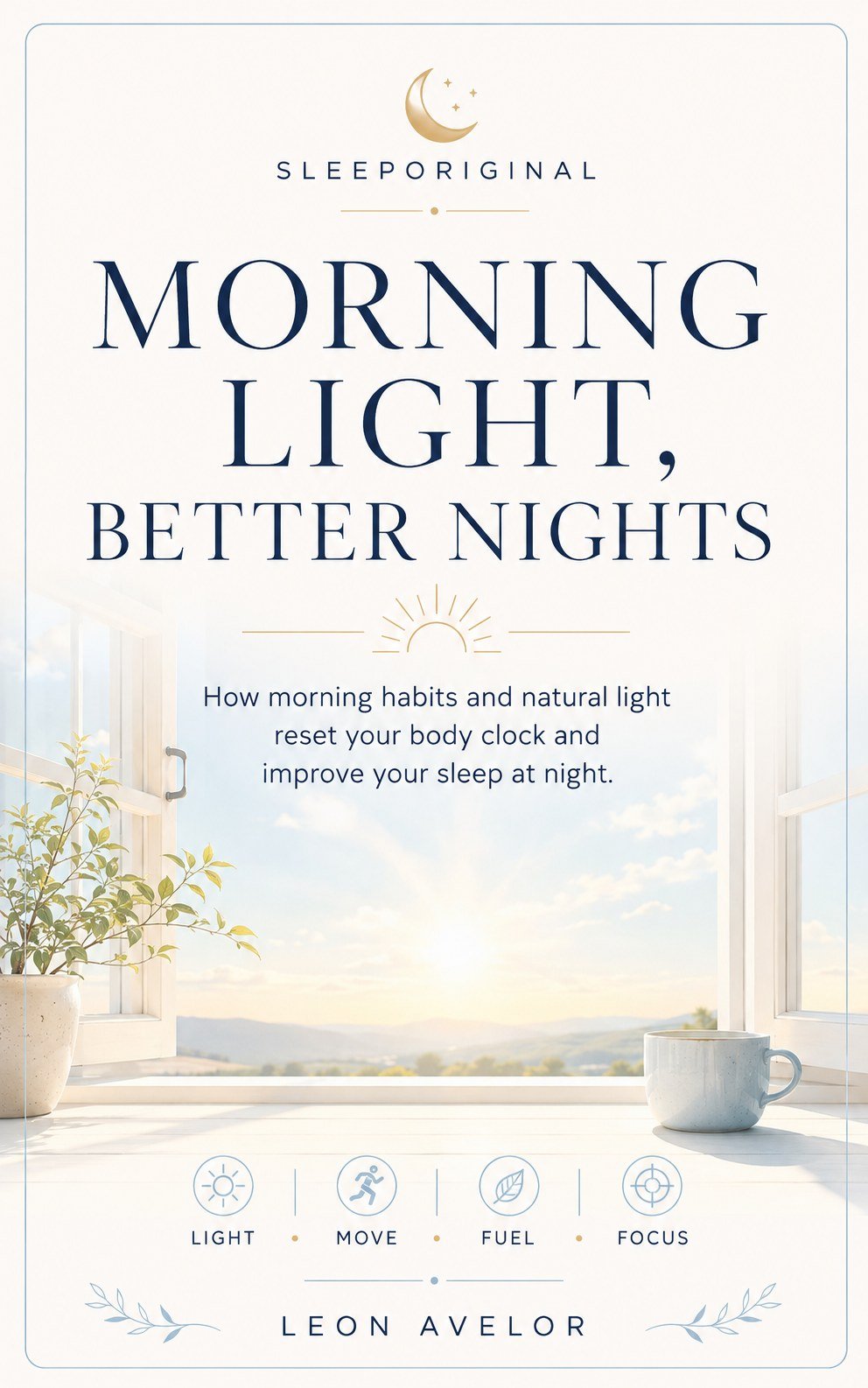
Morning Light, Better Nights
Why the fix for a bad night often belongs in the morning. A simple daylight-and-wake-time routine, including the smallest version that still works on a dark, rushed morning.
Check Price on Amazon- **Open the Blinds Immediately:** As soon as your feet hit the floor, open the curtains. Sunlight hitting your eyes halts melatonin production instantly.
- **Drop the Temperature:** Throw off the heavy blankets. Getting out of a warm bed into a cool room signals your nervous system that the rest period is over.
- **Hydrate Rapidly:** Drink a full glass of cold water. You lose roughly a liter of water overnight through respiration and sweat. Dehydration mimics the symptoms of sleep deprivation.
The 'Alarm Across the Room' Strategy
If you lack the willpower to stop snoozing, you must remove willpower from the equation entirely. Place your alarm clock or phone across the room, far out of arm's reach. Force yourself to physically stand up and walk to turn it off.
Once you are vertical, gravity changes your blood pressure, which acts as another wake-up signal. Do not get back into bed. Make the bed immediately. A made bed is psychologically much harder to crawl back into.
Tiny Sleep Experiment
The Mel Robbins 5-Second Rule
- When your alarm goes off, do not think about how tired you are.
- Count backward from five: 5, 4, 3, 2, 1.
- On 1, physically launch yourself out of bed like a rocket.
- This interrupts the habit loop of snoozing by engaging the prefrontal cortex (the logical brain) before the emotional brain can convince you to stay in bed.
Summary
Snoozing is not a sign of laziness; it is a conditioned physiological response to disrupted sleep cycles. By committing to waking up on the first alarm and immediately seeking bright light, you can bypass sleep inertia entirely and reclaim the first four hours of your day.
2-card wake-up setup
Build a gentler, more consistent wake-up setup.
-
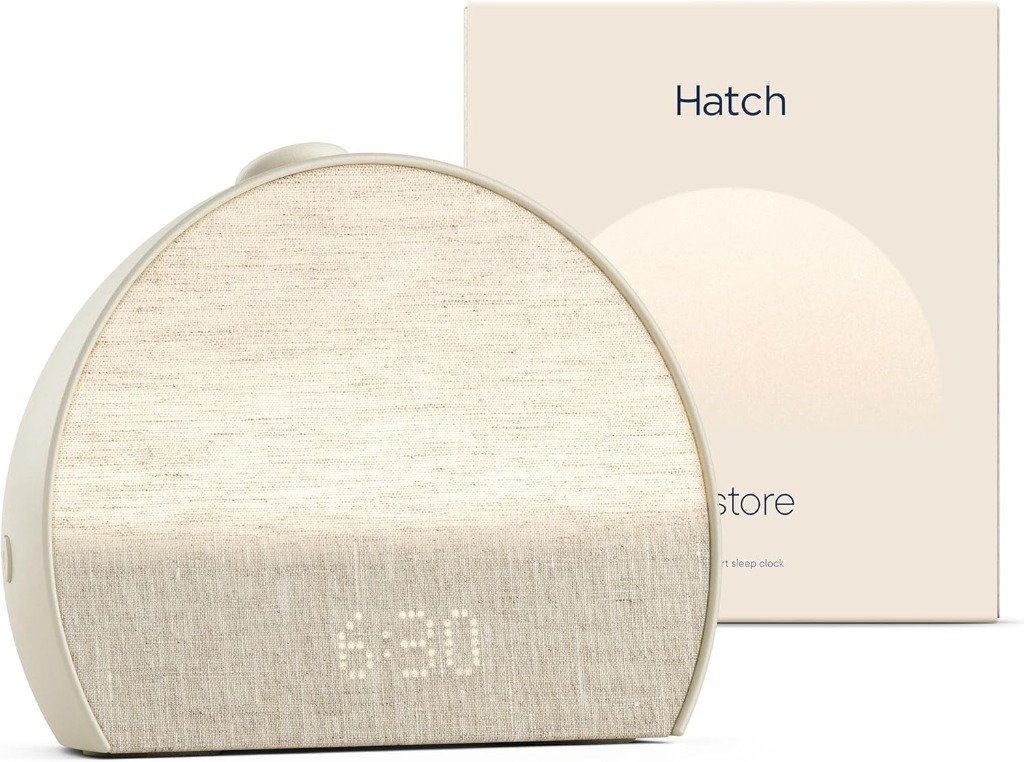
Hatch Restore 3 — Putty
Best for
Replacing the phone on the nightstand with one device for wind-down, sound and wake-up.
What it does well
- Combines light, sound and alarm so the phone can leave the room
- Routines make the wind-down cue automatic
Trade-offs
- Some content sits behind a subscription
- App-driven setup is more involved than a plain alarm
Check price on Amazon View details for Hatch Restore 3 — Putty -
Philips SmartSleep Wake-Up Light HF3520/60
Best for
Dark mornings where a gradual light cue is easier to wake to than an alarm tone.
What it does well
- Gradual sunrise simulation instead of an abrupt alarm
- Simple, self-contained, no app required
Trade-offs
- A backup for daylight, not a replacement for it
- Takes bedside space and a socket
Check price on Amazon View details for Philips SmartSleep Wake-Up Light HF3520/60 -
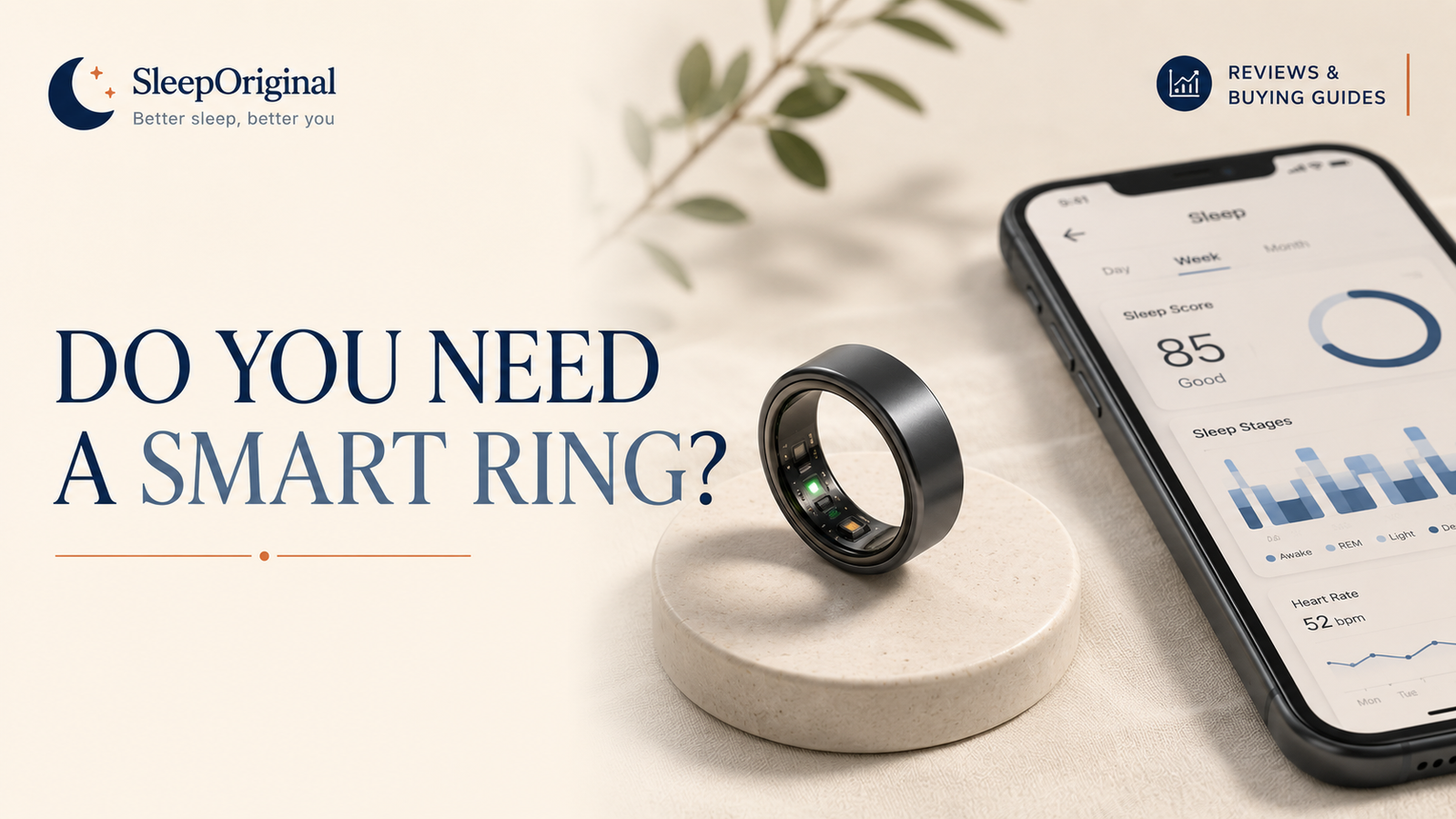
Oura Ring 4
Best for
Readers who want to see what their nights actually look like without wearing a screen or a band to bed, and who will change a habit based on what the data shows rather than only look at it.
What it does well
- Nothing on your wrist and no screen to light up the room, which is the least intrusive way to measure a night
- Reports trends across weeks instead of inviting you to judge yourself on one night
Trade-offs
- The full picture needs a paid Oura membership, billed monthly, on top of the price of the ring
- Ring size is fixed once bought, and you have to order a sizing kit before you can order the ring
Check price on Amazon View details for Oura Ring 4
After explaining why repeated snoozing disrupts the wake-up routine; add a soft reminder near the conclusion.
Frequently asked questions
Why is hitting snooze bad?
Because your brain treats the first alarm as a false alarm and drops back toward deep sleep. The second alarm then pulls you out of the beginning of a new cycle, which produces far more grogginess than getting up at the first one.
How do I stop hitting the snooze button?
Remove willpower from it. Put the alarm across the room, stand up to turn it off, open the blinds, and make the bed so getting back in is a deliberate act.
What is sleep inertia?
The heavy, disoriented feeling right after waking, caused by adenosine still present and by an abrupt exit from deep or REM sleep. Snoozing extends it rather than easing it.
How long does morning grogginess last?
It can take up to four hours to clear fully after a badly-timed waking. Bright light immediately on standing is the fastest way to shorten it.
Does a sunrise alarm help?
It addresses the right lever. Waking in a dark, warm room keeps melatonin flowing; light is the signal that stops it, and a light that arrives before the sound gives your brain a head start.
Join the conversation
Questions and experiences are welcome. Every comment is read by a person before it appears, and your email address is never published.
No comments yet — yours would be the first.