
For decades, the image of a perfectly tranquil bedtime routine has featured a warm cup of tea, a dim lamp, and a good book. We intuitively feel that reading makes us sleepy, but in the modern era of kindles, tablets, and high-intensity thrillers, is reading before bed actually helping your sleep, or is it secretly sabotaging it?
The short answer is: yes, reading is one of the most effective pre-sleep activities you can engage in. However, the *type* of reading, the *medium* you use, and the *content* itself dictate whether you are sedating your brain or aggressively stimulating it.
The Neuroscience of Reading and Sleep
When you transition from a busy day to bedtime, your brain needs to shift from active, beta-wave problem solving to slower alpha and theta waves. Watching television or scrolling social media forces your brain to rapidly process changing visual stimuli, micro-decisions, and dopamine hits. This keeps your nervous system in a state of high alert.
Reading a physical book, however, is a linear, focused task. It requires sustained attention but low sensory input. A study from the University of Sussex found that reading for just six minutes can reduce stress levels by up to 68%—making it more effective than listening to music, having a cup of tea, or taking a walk. It lowers your heart rate and eases muscle tension, the physical prerequisites for sleep onset.
Fiction vs. Non-Fiction: The Crucial Difference
Catch The Thought
"I read self-help and business books before bed to be productive!"
This is a massive mistake. Non-fiction triggers the analytical, problem-solving centers of your brain. You are actively telling your brain to work, plan, and strategize when it should be powering down.
If you want to fall asleep faster, you must read **fiction**. Fiction requires imagination. It transports your consciousness out of your own daily worries and into a constructed narrative. This mirrors the natural dissociation and dreaming processes that occur as we fall asleep. You are essentially giving your brain a safe sandbox to play in while your body shuts down.
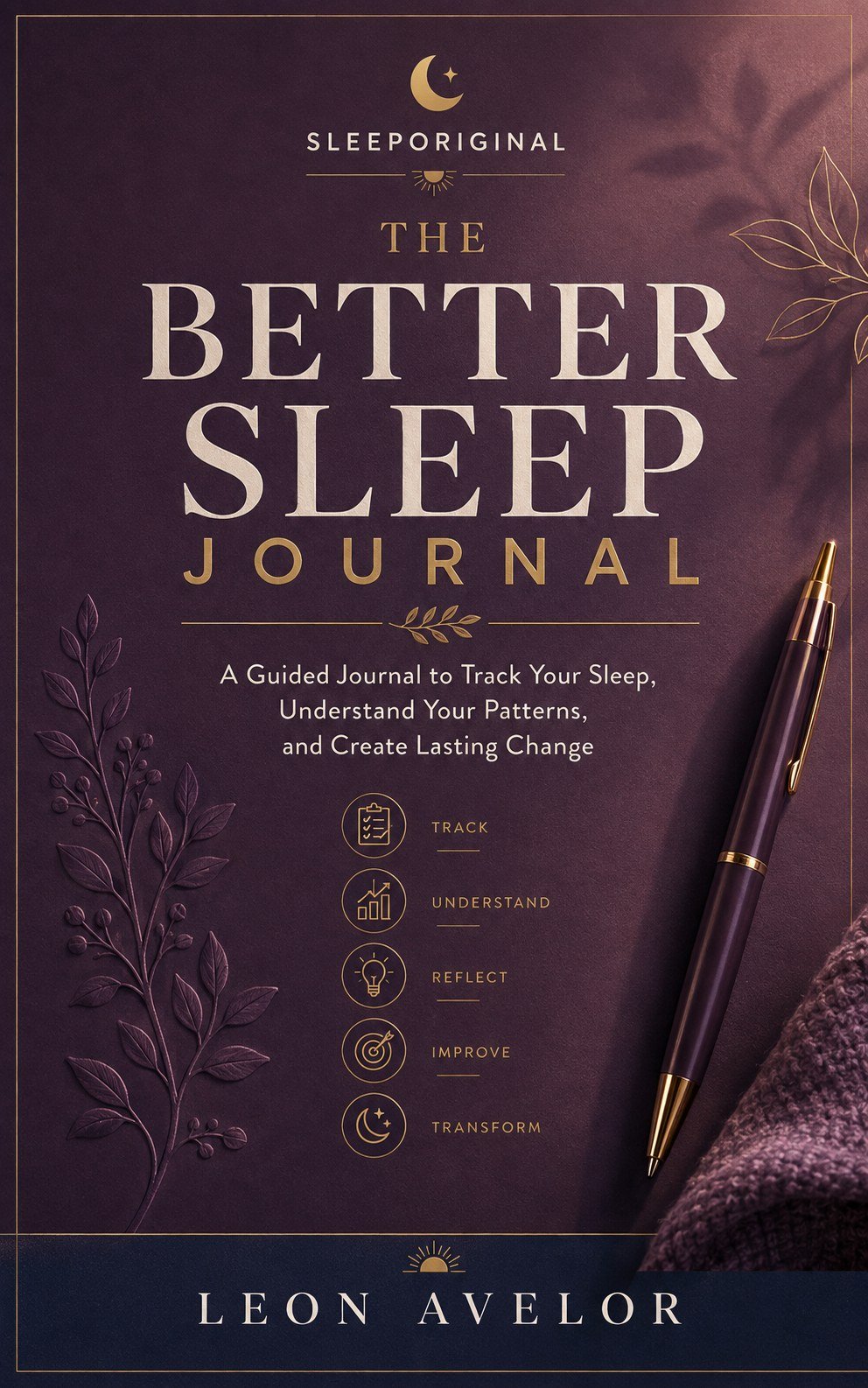
The Sleep Pattern Journal
A guided 30-day journal for noticing your own sleep patterns: what helps, what gets in the way, and what is worth trying next. Observation rather than another programme to follow.
Check Price on AmazonAfter-reading setup card
Keep the transition from reading to lights-out simple.
-
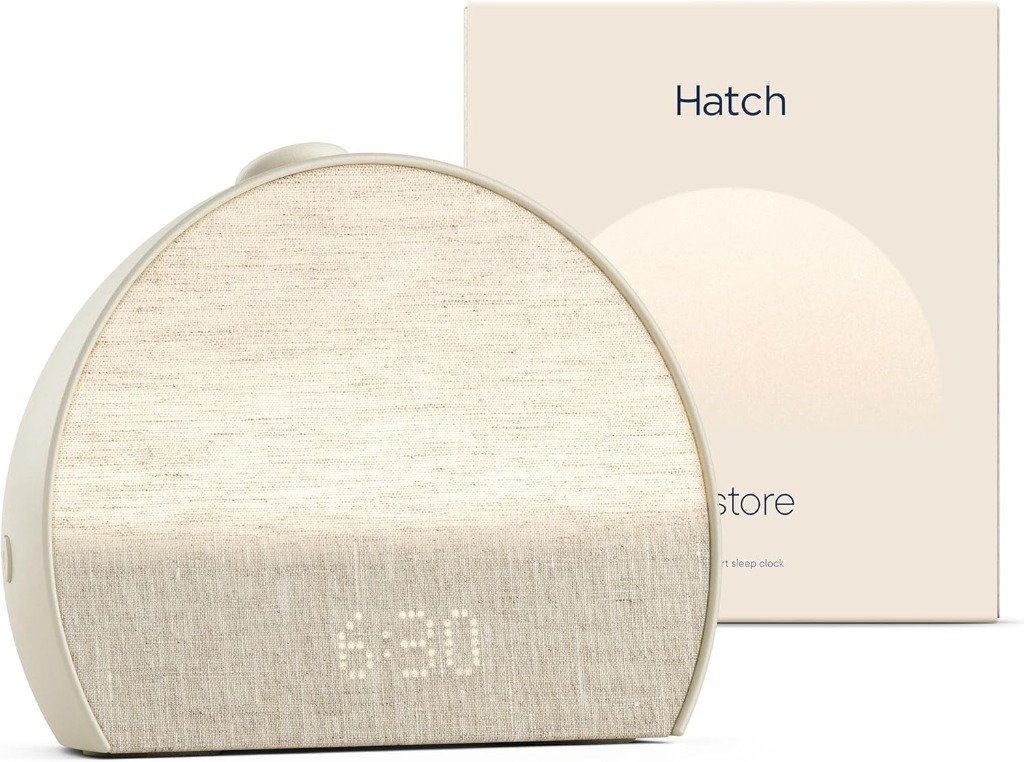
Hatch Restore 3 — Putty
Best for
Replacing the phone on the nightstand with one device for wind-down, sound and wake-up.
What it does well
- Combines light, sound and alarm so the phone can leave the room
- Routines make the wind-down cue automatic
Trade-offs
- Some content sits behind a subscription
- App-driven setup is more involved than a plain alarm
Check price on Amazon View details for Hatch Restore 3 — Putty -
Manta PRO Sleep Mask
Best for
Shift workers, side sleepers, and anyone who has tried flat masks and still gets light leaking in around the nose.
What it does well
- Eye cups reposition along the strap to match your own face
- Domed cups keep pressure off the eyelids and allow blinking
Trade-offs
- Noticeably bulkier than a flat silk or fabric mask
- Sits at the premium end of the sleep-mask market
-
Loop Dream Sleep Earplugs — Black
Best for
Side sleepers, anyone sharing a bed with a snorer, and people who have abandoned foam plugs because of pressure or soreness.
What it does well
- Low-profile body designed specifically for side sleeping
- Oval tips follow the ear canal shape rather than forcing a round fit
Trade-offs
- Fit varies with ear anatomy — no earplug suits every ear, and this is the main variable
- Costs considerably more up front than disposable foam plugs
After the sections on lighting, book choice, and a consistent stopping time; use one small card only.
The Screen Dilemma: E-Readers vs. Paper
The medium matters just as much as the message. The blue light emitted by smartphones and tablets actively suppresses melatonin production. Reading a PDF on your iPad in bed is biologically equivalent to staring into a flashlight.
- **Physical Books:** The undisputed champion. They reflect ambient light rather than emitting it.
- **E-Ink Readers (e.g., Kindle Paperwhite):** A very close second. E-ink screens do not emit light directly into your eyes; they use front-lit technology that washes light across the screen. Just ensure you turn the brightness down as low as possible and use the warm-light setting if available.
- **Tablets/Phones:** Unacceptable for bedtime reading. If you must use them, you absolutely must wear high-quality blue-light blocking glasses.
Tiny Sleep Experiment
The Two-Page Rule
- If you struggle to build a reading habit, do not commit to reading a whole chapter.
- Commit to reading exactly two pages every night. That is it.
- Often, the friction is just picking up the book. Once you start, you will likely read more, but keeping the barrier to entry hilariously low ensures you will actually do it.
When the Book is 'Too Good'
There is one major caveat to reading fiction before bed: the "just one more chapter" syndrome. If you are reading a high-octane thriller by Stephen King or a massive fantasy epic that has your heart racing, your sympathetic nervous system (fight or flight) will activate. Adrenaline and sleep are mutually exclusive.
Important Safety Note
If you notice your heart rate elevating or you find yourself staying up two hours past your bedtime because you cannot put the book down, you need to switch genres. Opt for slower-paced, descriptive fiction, historical fiction, or gentle fantasy at night.
The Final Verdict
Reading before bed is a phenomenal tool for sleep, provided you follow the rules of engagement. Stick to physical books or e-ink, read fiction that allows your mind to wander without spiking your adrenaline, and use a dim, warm-toned reading lamp. By doing this, you create a perfect cognitive bridge between the stress of the waking world and the peace of deep sleep.
Frequently asked questions
Does reading before bed help you sleep?
Yes. Reading is a linear, low-stimulation task that slows heart rate and eases muscle tension, which are the physical preconditions for sleep onset. Six minutes has been shown to cut stress markers substantially.
Should I read fiction or non-fiction before bed?
Fiction. Non-fiction triggers analysis and planning, which is the opposite of what you want at bedtime. Fiction gives the mind somewhere to go that is not your own to-do list.
Is a Kindle okay to read in bed?
An e-ink reader is fine. It reflects front-lit light across the page rather than emitting it into your eyes, and it cannot show you email. Keep the brightness low and use the warm-light setting if it has one.
How long should I read before bed?
Long enough to downshift, which for most people is 15 to 30 minutes. If building the habit is the problem, commit to two pages — the friction is picking the book up, not reading it.
Why does reading sometimes keep me awake?
Because the book is too good. A fast thriller activates the sympathetic nervous system, and adrenaline and sleep are mutually exclusive. Slower, descriptive fiction does not do this.
Join the conversation
Questions and experiences are welcome. Every comment is read by a person before it appears, and your email address is never published.
No comments yet — yours would be the first.