
We are the most digitally connected generation in human history, and simultaneously the most sleep-deprived. This is not a coincidence. The modern smartphone is an engineering marvel designed by thousands of the smartest behavioral psychologists on the planet with one singular goal: to hijack your attention and never let it go.
Taking this device into your bed is the biological equivalent of inviting a marching band and a slot machine into your bedroom. We all know we shouldn't look at our phones before bed, yet we do it anyway. To break this habit, you cannot rely on willpower alone. You need a systemic digital detox protocol that makes failing difficult.
The Two-Pronged Attack: Light and Dopamine
The smartphone sabotages sleep through two entirely different, highly effective mechanisms:
- **The Biological Sabotage (Blue Light):** The LED screens of modern devices emit high-intensity, short-wavelength blue light. This specific frequency of light hits the melanopsin receptors in your eyes and tricks your brain into thinking it is high noon. Melatonin production is instantly halted.
- **The Psychological Sabotage (Dopamine):** Whether it is scrolling Instagram, reading terrifying news, or checking a work email, the content on your phone triggers a dopamine and cortisol release. Your sympathetic nervous system engages. You are chemically wired for action, not rest.
Catch The Thought
"I use a blue-light filter app, so I'm fine!"
While blue-light filters help with the biological light exposure, they do absolutely nothing to mitigate the dopamine and cortisol spikes caused by the content you are consuming. Reading a stressful work email through a red filter still causes a stress response.
Step 1: The Physical Separation
The most effective way to stop looking at your phone in bed is to ensure your phone is never in your bed. If the phone is on your nightstand, your muscle memory will cause you to reach for it the moment you feel a twinge of anxiety or boredom. Willpower depletes at night; do not rely on it.
Purchase a long charging cable and plug your phone in across the room, or better yet, in the kitchen or bathroom. If you use your phone as an alarm, this is the time to buy a cheap, standalone digital alarm clock. The physical separation is non-negotiable.
Step 2: The 60-Minute Buffer Zone
You need to establish a hard boundary between 'Screen Time' and 'Sleep Time.' Aim for a minimum of 60 minutes of screen-free time before your target bedtime.
During this buffer zone, engage in analog activities. Read a physical book, stretch, listen to a podcast (audio does not disrupt melatonin like visual light does), or prepare your clothes and meals for the next day.

The 15-Minute Evening Landing
A fifteen-minute wind-down sequence in three five-minute parts: close the day, lower stimulation, prepare for rest. Includes a shorter version for evenings that end too late.
Check Price on AmazonStep 3: Greyscale Your Phone
If you absolutely must use your phone in the evening (perhaps for a phone call or adjusting a smart thermostat), make the screen as unappealing as possible. Dive into the Accessibility settings of your phone and turn on 'Color Filters' -> 'Greyscale'.
By removing all color from the screen, the notification badges, photos, and videos lose their psychological hook. A greyscale phone is incredibly boring. You will find yourself naturally putting it down much faster because the dopamine reward system is no longer being visually stimulated.
Tiny Sleep Experiment
The 'No-Phone-First-Hour' Rule
- A digital detox before bed is much easier if you also practice a digital detox in the morning.
- Do not look at your phone for the first 60 minutes after waking up.
- By proving to yourself that you can survive the morning without it, you weaken the psychological dependency that drives the late-night scrolling compulsion.
The E-Reader Exception
What about Kindles and other e-readers? E-ink screens are generally the exception to the rule. Because they do not emit light directly into your eyes (they use front-lit technology) and are generally single-purpose devices (meaning you cannot check email or Twitter on them), they are an excellent tool for the 60-minute buffer zone, provided you keep the brightness very low.
Summary
Your bedroom should be a sanctuary for sleep and intimacy, not a high-stress digital command center. By physically removing the charger from your bedside, implementing a 60-minute analog buffer, and turning your screen to greyscale, you can break the addiction and reclaim your nights.
Phone-replacement block
Replace your phone alarm with a dedicated bedtime and wake-up cue.
-
Philips SmartSleep Wake-Up Light HF3520/60
Best for
Dark mornings where a gradual light cue is easier to wake to than an alarm tone.
What it does well
- Gradual sunrise simulation instead of an abrupt alarm
- Simple, self-contained, no app required
Trade-offs
- A backup for daylight, not a replacement for it
- Takes bedside space and a socket
Check price on Amazon View details for Philips SmartSleep Wake-Up Light HF3520/60 -
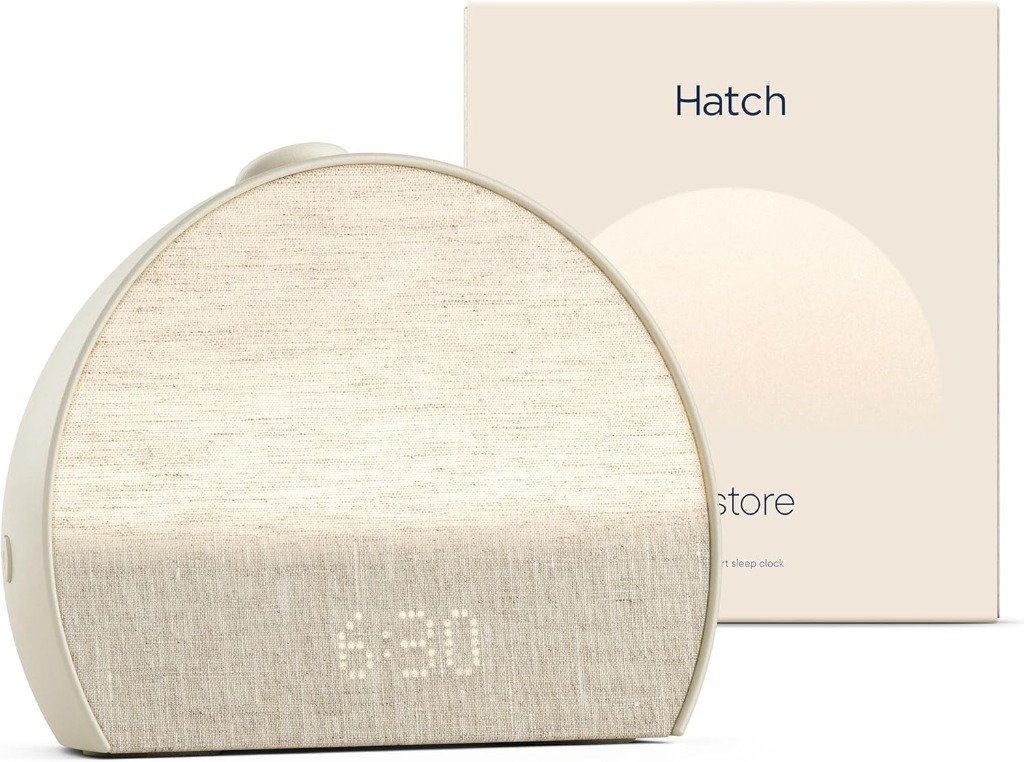
Hatch Restore 3 — Putty
Best for
Replacing the phone on the nightstand with one device for wind-down, sound and wake-up.
What it does well
- Combines light, sound and alarm so the phone can leave the room
- Routines make the wind-down cue automatic
Trade-offs
- Some content sits behind a subscription
- App-driven setup is more involved than a plain alarm
Check price on Amazon View details for Hatch Restore 3 — Putty -
Manta PRO Sleep Mask
Best for
Shift workers, side sleepers, and anyone who has tried flat masks and still gets light leaking in around the nose.
What it does well
- Eye cups reposition along the strap to match your own face
- Domed cups keep pressure off the eyelids and allow blinking
Trade-offs
- Noticeably bulkier than a flat silk or fabric mask
- Sits at the premium end of the sleep-mask market
After advising readers to move the phone away from the bed; add one short end link to the preferred setup.
Frequently asked questions
How long before bed should I stop using my phone?
Sixty minutes. That buffer covers both problems — it gives melatonin time to rise and it puts distance between the last dopamine spike and lights out.
Do blue light filters actually work?
Partly. They reduce the light exposure, but they do nothing about the content. Reading a stressful work email through a red filter still produces a stress response.
Where should I charge my phone at night?
Anywhere that is not your bedroom — the kitchen or the bathroom. If it is on the nightstand you will reach for it, because willpower is depleted by the end of the day.
Is a Kindle okay before bed?
Yes. E-ink does not emit light into your eyes and the device cannot show you email or social feeds, which makes it a good fit for the buffer hour at low brightness.
Does putting the phone in greyscale help?
It does, more than people expect. Removing colour strips the visual reward from notification badges, photos and video, and a boring phone is easier to put down than a disciplined one.

Join the conversation
Questions and experiences are welcome. Every comment is read by a person before it appears, and your email address is never published.
No comments yet — yours would be the first.